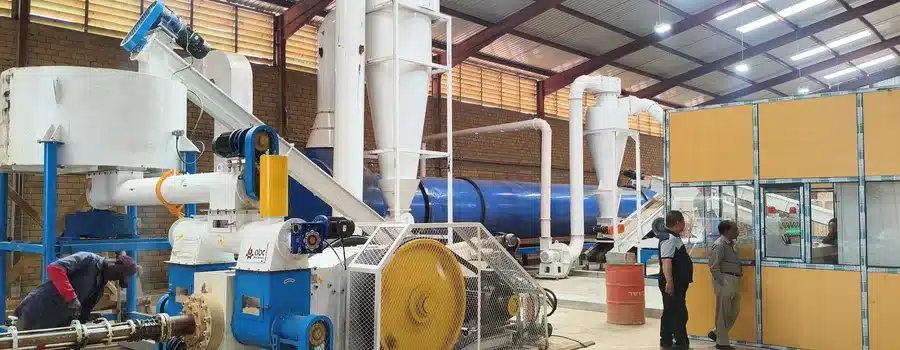
RDF Production Process Design
Optimizing RDF Pellet Plant Process Design
The RDF pelletizing process involves transforming refuse-derived fuel (RDF) into uniform pellets for efficient energy recovery. The basic flow includes waste collection, shredding, drying, pelletizing, and cooling. Optimization in these stages can lead to significant improvements in overall plant efficiency.

Refuse Derived Fuel Pellet Production Process
Key Technologies and Process Enhancements
To maximize efficiency, it is essential to apply advanced technologies such as high-efficiency shredders, automated drying systems, and precision pelletizing equipment. According to industry data, energy-efficient shredding and drying systems can reduce total energy consumption in RDF production by up to 30%. Key innovations like the integration of heat recovery systems have been shown to recapture 15–20% of process heat, significantly lowering thermal energy demand.
Process streamlining also plays a vital role in minimizing downtime and ensuring continuous operation. For example, facilities using integrated automation and SCADA-based control systems report up to 25% fewer unplanned stoppages, and improved output consistency. Automated control systems allow for real-time monitoring and adjustments, enabling RDF plants to maintain production at optimal levels even under variable feedstock conditions.
- Shredding Technology: Advanced shredders with variable speeds help adjust to different RDF types and reduce energy use. For example, advanced shredders equipped with variable frequency drives (VFDs) optimize throughput and reduce electricity use by 10–15%.
- Drying Efficiency: Integrating smart moisture sensors and automated drying controls ensures that drying is neither excessive nor insufficient. These systems help stabilize pellet moisture content at the target 8–12% range, reducing fuel consumption in drying chambers by up to 20% and enhancing pellet combustion quality.
- Pelletizing Optimization: Modern pelletizers with enhanced precision create uniform pellets, reducing the need for secondary processing. Uniform RDF pellets not only improve storage and transport but also offer more stable combustion performance, with calorific value deviations kept under ±5% across batches.
By refining each stage of the process, RDF plants can reduce production costs and increase throughput, ensuring a higher return on investment.

Complete RDF Pellet Production Plant at Factory Price
Contact us today to upgrade your RDF production line for higher efficiency and lower energy costs.

Key Factors Affecting RDF Pellet Production Efficiency
Efficiency in RDF pellet production depends heavily on equipment selection and configuration. Poor equipment choices or inadequate configurations can lead to operational bottlenecks, affecting overall productivity.
Equipment Selection and Configuration
When selecting equipment for RDF pelletizing plants, it is crucial to consider factors such as material type, capacity, and energy consumption. Pelletizing equipment must handle varying feedstock qualities without compromising output. Furthermore, equipment reliability directly influences maintenance costs and downtime.
Bottleneck Identification
Identifying and addressing production bottlenecks can significantly boost efficiency. Common bottlenecks include insufficient drying capacity, slow pelletizing speeds, and cooling delays. By adjusting equipment configurations or upgrading to higher-capacity models, these bottlenecks can be eliminated.
Strategies for Increasing RDF Pellet Plant Capacity
Increasing plant capacity is a common goal in RDF pellet plant design. By refining process flows and upgrading equipment, facilities can achieve higher throughput without the need for significant expansions.

Process Adjustments
Tweaking process parameters such as drying temperatures and pelletizing speeds can lead to significant gains in output. These adjustments ensure that plant capacity is used more effectively, enhancing productivity without increasing energy consumption.
Equipment Upgrades
Upgrading to high-capacity pelletizers and enhancing material handling systems can boost throughput. These upgrades allow for a smoother and more continuous production flow, which is critical for maintaining high plant efficiency. Contact our engineers to discuss the best strategies for scaling up your RDF pellet plant and maximizing its output capacity today.
Environmental and Cost Control Considerations for RDF Pellet Plants
Environmental sustainability and cost control are essential in any modern RDF pellet plant. Incorporating green technologies and efficient cost management strategies helps reduce environmental impact while optimizing plant profitability.
Eco-friendly Technologies
RDF pellet plants can benefit from energy-efficient technologies such as heat recovery systems and waste-to-energy solutions. These systems reduce reliance on external energy sources, lowering operational costs.
Cost Reduction Strategies
Implementing automated control systems and preventive maintenance schedules can help reduce maintenance costs and downtime. Additionally, optimized raw material procurement and energy-efficient equipment further cut expenses, ensuring a cost-effective operation. Contact us to explore advanced solutions that can help you lower energy consumption and optimize your RDF pellet plant’s environmental impact.