Key Factors Affecting Combustion of Refuse Derived Fuel
Overview of RDF Pellet Fuel Combustion Characteristics
RDF (Refuse Derived Fuel) pellet fuel is an emerging alternative for traditional industrial fuels, offering several advantages in terms of energy efficiency and environmental impact. RDF pellet fuel combustion characteristics primarily depend on the material composition, moisture content, and processing methods. In industrial applications, understanding the combustion performance of RDF pellets is crucial for optimizing energy output and minimizing waste.
RDF pellets are produced by processing non-recyclable waste into a compact, uniform shape, making them ideal for use in various combustion systems. The combustion of RDF pellets involves complex thermochemical reactions that release energy. These reactions are affected by key factors such as the pellet’s calorific value, ash content, and volatile matter.
Comparing RDF pellets to traditional fuels, RDF has a lower moisture content, which leads to higher combustion efficiency. The energy efficiency of RDF pellets typically ranges between 16 and 20 MJ/kg, which is comparable to that of coal, making it a viable alternative for industries seeking sustainable energy solutions.

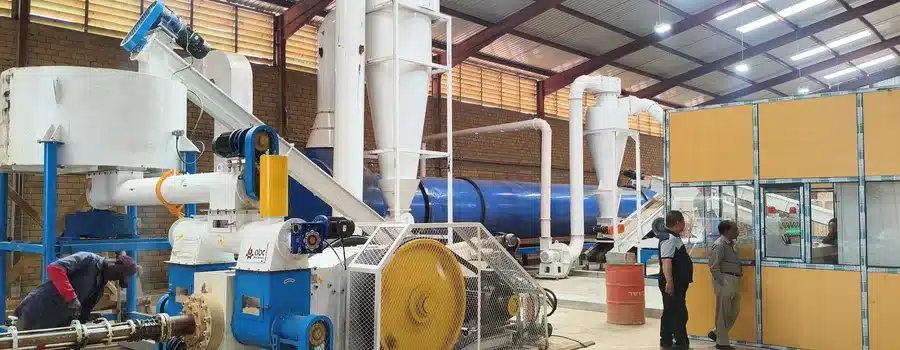
Successful Refuse Derived Fuel Plant
By utilizing RDF pellets, manufacturing plants can reduce their reliance on fossil fuels, contributing to a more sustainable and eco-friendly energy model.
Understanding the combustion performance of RDF pellet fuel is essential for manufacturers aiming to enhance energy efficiency in their operations.
- High Calorific Value: RDF pellets possess a high calorific value, providing more energy per unit of fuel.
- Low Moisture Content: The low moisture content ensures better combustion efficiency compared to other biomass fuels.
- Sustainable Fuel Source: RDF pellets are produced from waste materials, contributing to reduced environmental impact.
How to Evaluate the Combustion Performance of RDF Pellet Fuel
Measuring the combustion performance of RDF pellets is critical for determining their efficiency and ensuring optimal fuel usage. Several methods can be used to evaluate combustion efficiency, such as calorimeter tests, oxygen consumption, and emission measurements. These tests provide insights into the energy output and the environmental impact of the combustion process.
Standard evaluation parameters include:
- Calorific Value: This refers to the energy released during combustion and is an important indicator of fuel quality.
- Combustion Efficiency: The ratio of useful energy output to the total energy input, determining how effectively the fuel is utilized in the combustion system.
- Emissions: Monitoring the emissions of gases such as CO₂, NOx, and particulate matter is essential to ensure compliance with environmental regulations.
The use of specific combustion testing tools like bomb calorimeters and gas analyzers is critical to obtaining accurate data. These measurements help determine the right combustion settings and the equipment needed to maximize RDF pellet fuel performance.
To effectively measure combustion performance, manufacturers must invest in high-quality testing equipment and stay updated on the latest standards and technologies.
Contact us and our equipment will solve this problem for you.

Technical Solutions to Improve RDF Pellet Fuel Combustion Efficiency

High-Quality Pellet Production in RDF Manufacturing Facility
Optimizing combustion processes is essential for improving the performance of RDF pellet fuel. Several technologies can help enhance combustion efficiency and reduce fuel consumption:
- Combustion Process Optimization: By adjusting the air-to-fuel ratio and improving mixing in combustion systems, manufacturers can achieve better fuel efficiency.
- Advanced Burner Technology: Modern burners designed for RDF fuel can provide better heat transfer and more complete combustion, reducing energy losses.
- Equipment Selection: Choosing the right furnace or boiler for RDF pellet combustion is critical for ensuring that the fuel burns efficiently.
The integration of Manufacturing Execution Systems (MES) allows real-time monitoring and adjustment of combustion parameters, ensuring continuous optimization. In addition, regular maintenance and cleaning of burners and combustion chambers can prevent energy losses and prolong the equipment’s lifespan.
- Advanced Burner Systems: These systems are optimized for RDF fuel, ensuring more complete combustion and reducing emissions.
- Real-Time Monitoring: The use of MES enables continuous performance tracking and adjustment of combustion systems.
- Periodic Maintenance: Regular cleaning and calibration of burners ensure optimal performance and efficiency.
By optimizing your combustion systems and investing in advanced equipment, you can significantly enhance the efficiency of RDF pellet fuel in your manufacturing processes.
Environmental Impact of RDF Pellet Fuel Combustion and Control Methods
The environmental impact of RDF pellet fuel combustion must be carefully considered, particularly in terms of emissions and waste generation. While RDF pellets are a cleaner alternative to coal, they still produce emissions during combustion. However, these emissions can be controlled through various techniques:
- Emissions Control Technologies: The use of scrubbers, filters, and electrostatic precipitators can significantly reduce harmful gases like SO₂, NOx, and particulate matter.
- Efficient Combustion Practices: Ensuring optimal combustion conditions helps minimize incomplete combustion, which can lead to the formation of hazardous emissions.
Manufacturers can reduce their environmental footprint by implementing advanced air pollution control measures and maintaining stringent emission standards.
Contact us now to learn more about how you can improve the environmental performance of your RDF pellet combustion system.