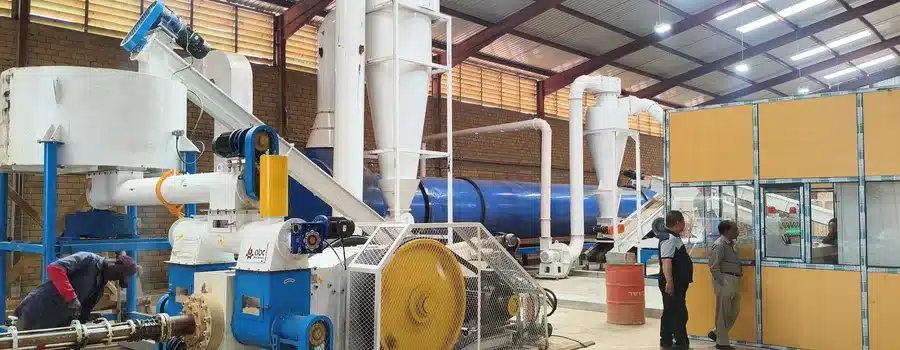
Optimizing RDF (Refuse-Derived Fuel) raw materials is a key strategy in improving industrial fuel production. As energy demands increase, industries are turning to RDF as a sustainable fuel source. RDF raw materials, typically derived from non-recyclable waste, can significantly enhance fuel quality and energy output when properly optimized. By using advanced techniques, manufacturers can improve the heat value of RDF materials, reduce moisture content, and ensure consistency in fuel production.
One effective method for optimization is the application of advanced sorting and processing technologies. With the use of Near-Infrared Reflectance (NIR) technology, contaminants such as plastics and metals can be removed, ensuring that only high-quality materials are used. The NIR process increases the calorific value of the RDF by enhancing the proportion of combustible materials. Studies have shown that this technique can increase RDF’s heat value by up to 30%.
Additionally, drying technologies play a crucial role in enhancing RDF quality. By reducing moisture content to below 10%, RDF’s combustibility improves, leading to higher energy efficiency during burning. This can result in 15-20% higher energy output compared to untreated RDF.
Furthermore, integrating a Manufacturing Execution System (MES) into the RDF processing line can provide real-time data, enabling precise control over the optimization process. By monitoring parameters like moisture levels, particle size, and composition, companies can ensure consistent fuel production, minimizing waste and maximizing efficiency.
By optimizing RDF raw materials, industries can meet stricter environmental regulations while improving fuel production efficiency. This shift not only enhances profitability but also contributes to sustainable practices in energy generation.
Want to explore how our RDF optimization solutions can enhance your production efficiency? Contact us for a tailored plan to meet your specific needs.

The handling of RDF raw materials requires careful attention to the varying properties of waste streams. Different types of waste materials – including paper, plastics, and organic matter – require distinct processing techniques to ensure they are effectively converted into fuel. The first step in optimizing RDF materials is to separate these materials based on their combustibility.

Various RDF Raw Materials for Efficient Fuel Production
shredding machines break down large waste items into smaller, uniform sizes. This ensures that the RDF material burns more evenly, leading to higher energy output. The use of high-efficiency shredders can reduce energy consumption during processing by 20% compared to traditional methods.
To maximize efficiency, manufacturers should also implement dual-stream processing systems. These systems allow for the separation of organic and non-organic materials, optimizing each stream for the highest possible fuel quality. Organic matter, such as food waste, can be processed using composting methods to reduce its moisture content before being added to the RDF mixture.
RDF raw materials offer significant environmental benefits when used in industrial fuel production. By converting non-recyclable waste into energy, RDF reduces the amount of waste sent to landfills, contributing to waste-to-energy efforts. According to recent studies, utilizing RDF as a fuel source can reduce landfill waste by up to 40%, providing an efficient and environmentally-friendly alternative to traditional waste disposal methods.
Additionally, RDF materials produce fewer emissions than conventional fossil fuels. The energy produced from RDF can cut CO2 emissions by 25-30% compared to coal. This reduction in carbon emissions is a major step towards achieving sustainability goals and meeting stringent environmental regulations.
Learn more about the environmental benefits of RDF optimization and how it can support your sustainability objectives. Connect with us for more information.