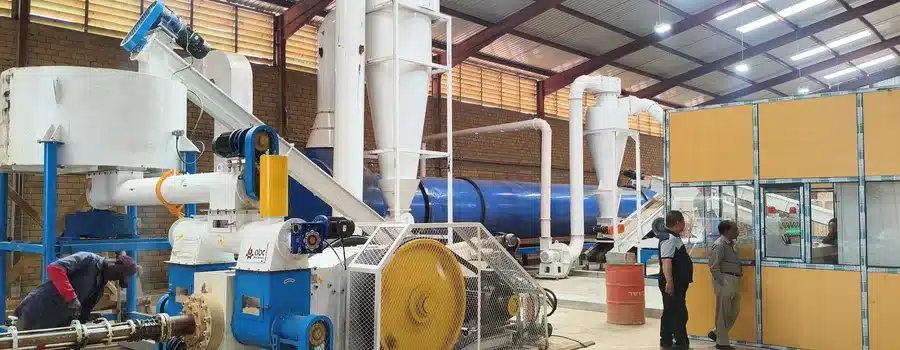
Green Refuse Derived Fuel Processing Solution
Environmental Significance of Green RDF Processing
The refuse derived fuel process contributes significantly to global sustainability by offering a viable alternative to fossil fuels. RDF utilization reduces greenhouse gas emissions by up to 30% compared to coal, helping industries lower their carbon intensity.
Additionally, RDF minimizes landfill dependency. A single RDF facility processing 100,000 tons of waste annually can divert over 85% of material from landfills. This supports waste to fuel sustainability by turning municipal and industrial waste into usable energy.
RDF plays a vital role in the circular economy by extending material lifecycle and recovering energy from otherwise wasted resources.
Systematic Design Strategies to Improve Energy Efficiency
Energy-Saving Equipment Integration
Energy optimization in RDF lines starts with smart equipment selection. Variable frequency drives (VFDs) on motors reduce energy consumption by 20–30%. High-efficiency rotary dryers and shredders with torque sensors adjust load dynamically to avoid power surges.
Process Flow Optimization
Well-integrated systems synchronize shredding, drying, pelletizing, and cooling stages to avoid idle time and thermal losses. For instance, RDF lines with material buffers and automatic flow control can boost energy efficiency by 18–25% compared to manually regulated systems.
Heat Recovery Systems
Heat recovery units capture waste heat from dryers or gasifiers and reuse it in pre-drying or building heating. This can reduce primary fuel demand by 15–40%, depending on the setup.
Integrated Energy Saving Features in RDF Lines
| Feature | Energy Saving (%) | Application Area |
|---|---|---|
| Variable Frequency Drives (VFDs) | 20–30% | Fans, Conveyors, Shredders |
| Heat Recovery Units | 15–40% | Dryers, Gasifiers |
| Process Synchronization | 18–25% | Material Flow Optimization |
- VFD Control: Reduces idle motor consumption and peak load spikes.
- Heat Reuse: Captures and redirects energy for internal processes.
- Line Synchronization: Avoids bottlenecks and over-processing losses.
Holistic energy management is key to turning RDF into a low-impact, sustainable fuel.
Start engineering an RDF process that meets energy efficiency targets. Connect with our system integrators today.

Emission Control and Clean Processing Technologies

Refuse Derived Fuel Processing Steps
Proper emission management in RDF facilities is critical for environmental compliance and community safety.
Dust, Odor, and Gas Management
- Dust filters and baghouses: Capture 95–99% of particulate matter at shredding and pelletizing stages.
- Activated carbon or biofilters: Remove odors and VOCs from storage and drying zones.
- Acid gas scrubbers: Used in thermal systems to remove SOx, HCl, and other harmful gases.
Emission Monitoring and Regulation Compliance
Continuous Emission Monitoring Systems (CEMS) track pollutants in real time, ensuring alignment with local and EU regulations (e.g., Directive 2010/75/EU).
Integration with CHP and Co-firing
RDF plants often integrate with Combined Heat and Power (CHP) or cement kiln co-firing systems. These applications utilize RDF as partial fuel, reducing primary fossil fuel use by 25–40%.
Effective emission control ensures RDF processing contributes positively to sustainability without creating secondary pollution.
Achieve clean RDF production with emission solutions engineered to meet today’s toughest environmental standards.
Green Certification and Project Sustainability Evaluation
To reinforce environmental credibility, RDF facilities increasingly seek formal green certifications.

Refuse Derived Fuel Processing Plant Interview
Key Certifications and Frameworks
- ISO 14001: Environmental management system certification
- EU ETS (Emissions Trading Scheme): Tracks and limits CO₂ emissions
- EIA/ESIA Approvals: Environmental and social impact assessments for large projects
Lifecycle Carbon Footprint
A full carbon footprint analysis for RDF projects accounts for emissions from equipment, energy use, transportation, and combustion. Facilities with heat recovery and low-emission designs can reduce lifecycle CO₂ per ton of RDF to <300 kg, compared to 900–1000 kg for coal.
Policy Incentives
Green RDF projects may qualify for government grants, carbon credits, or reduced utility tariffs. These can improve ROI by 10–15% over 5 years.
Sustainability assessment ensures RDF investments align with climate goals and secure stakeholder support.
Get your RDF project certified and financed—talk to us about environmental compliance and sustainability consulting today.