GEMCO ENERGY

RDF Processing Solution: Step by Step

This page focuses on providing comprehensive RDF processing solutions for waste-to-energy systems, exploring efficient raw material collection, production processes, and the storage and stability of RDF fuel.

RDF Processing Solution: Step by Step

Efficient Sourcing of Sustainable RDF Feedstock

Sourcing raw materials efficiently is key to optimizing the production of RDF (Refuse Derived Fuel). Effective collection techniques are crucial for obtaining high-quality feedstock while maintaining sustainability standards. Factors like the type of waste material, moisture content, and sorting process all influence the final RDF quality.

Key considerations include:

  • Raw Material Selection
    Primary RDF feedstock comes from industrial, agricultural, and municipal waste streams, including plastics, paper, wood, textiles, and other biomass residues. According to industry data, the ideal RDF composition for high calorific value (CV) is 40–60% non-recyclable plastics and paper, with the remainder comprising wood and organic biomass. This balance typically delivers a CV of 15–20 MJ/kg, meeting EU Waste-to-Energy plant requirements.
  • Moisture Content
    Moisture significantly impacts RDF performance. Every 1% increase in moisture can reduce calorific value by 0.2–0.3 MJ/kg. Best practice keeps feedstock moisture between 10–15% for optimal energy recovery. Using covered storage, controlled collection schedules, or pre-drying systems can cut excess moisture by up to 30%, reducing drying energy costs.
  • Alternative Fuels
    Integrating alternative waste-derived fuels—such as non-recyclable plastics, agricultural residues, or biodegradable waste—helps improve sustainability scores and reduces landfill dependency. Facilities that substitute 20–30% of traditional fossil fuels with RDF report annual CO₂ emission reductions of up to 100,000 tons in large-scale cement kilns.
  • RDF Feedstock Supply Chain Management
    Efficient logistics are essential to prevent plant downtime. A continuous supply chain—supported by GPS-tracked waste collection and contracted municipal partnerships—can cut raw material procurement costs by 10–15% and improve operational uptime to over 95%.
  • Pre-treatment Requirements
    Many feedstocks require pre-treatment such as shredding, magnetic separation, and drying to meet RDF specifications (particle size <50mm, moisture <15%). Automated pre-treatment lines can process up to 30 tons/hour, reducing manual sorting labor by 40% and ensuring compliance with EN 15359 classification standards.

rdf pellet production process flow chart

RDF Pellet Processing Flow Chart

To achieve optimal feedstock efficiency, it is essential to regularly assess and improve the collection methods used to gather raw materials. This contributes significantly to maximizing the energy output of the RDF processing system. Feeding systems also require periodic optimization to ensure the consistency of the feedstock and maintain the smooth operation of RDF processing plants.
Maximize the efficiency of your RDF processing system – connect with our experts to learn more about optimizing your feedstock sourcing today!

how to start your own production line with best business plan

Key Processing Steps in RDF Production

The RDF production process consists of several critical stages that convert raw waste materials into high-quality fuel. After the raw materials have been collected, several key steps are required to process them into RDF pellets. During the RDF pellet processing process, each step must be optimized to achieve optimal energy recovery performance.

  1. Crushing: The initial step involves sorting and shredding the raw waste materials to a uniform size. This ensures that the materials can be processed effectively in the subsequent stages.
  2. Drying: Moisture content must be reduced to below 15% to enhance the heating value of the RDF. Drying technologies such as rotary dryers or belt dryers are commonly used for this purpose.
  3. Pelletizing: The dried materials are then pelletized to produce uniform RDF pellets. Pelletizing enhances the density and heat value of the fuel, making it ideal for use in waste-to-energy systems.

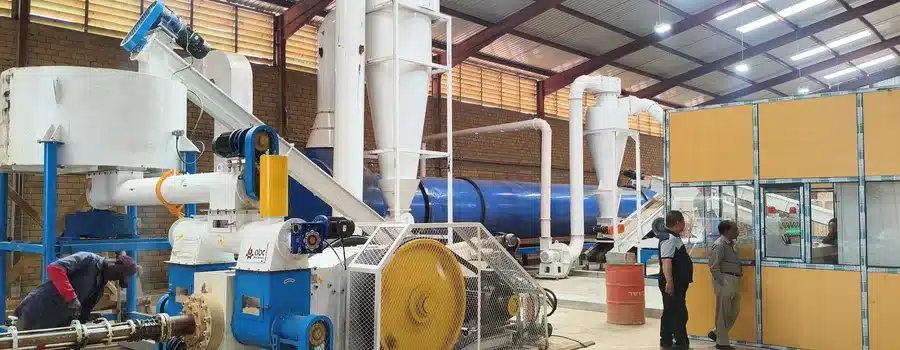
rdf pellet production line Contact us now, you can unlock the potential of RDF production by leveraging state-of-the-art processing technologies with a customized Refuse Derived Fuel Pellet solution tailored to your needs.

  • Pelletizing Machines: Specialized equipment is used to ensure consistent pellet density. These machines are designed to compress the feedstock into tightly packed pellets with optimized thermal properties.
  • Energy Optimization: The entire RDF production process can be optimized for energy consumption. By employing smart energy management solutions, the energy required for drying and pelletizing can be reduced, making the process more cost-effective.

These stages are followed by cooling and storage, ensuring that the RDF pellets maintain stability and quality until they are used as fuel. Advanced technologies such as MES (Manufacturing Execution Systems) can help optimize these processes in real-time, improving overall plant efficiency.

Storage and Stability of RDF Fuel

The storage and stability of RDF fuel are crucial to ensure long-term efficiency and reliability. Proper storage methods reduce the risk of fuel degradation, ensuring that the RDF remains stable and effective when used as a power source.

  • Cooling: After pelletizing, RDF pellets must be cooled down to a stable temperature. This step prevents condensation during storage and maintains the pellets’ structural integrity.
  • Packaging: Once cooled, the RDF pellets are packaged to protect them from environmental factors. Packaging methods such as sealed bags or bulk containers ensure that the fuel remains stable over extended periods.
  • Storage Conditions: RDF should be stored in dry, ventilated areas to prevent moisture absorption, which can affect the energy output and combustion properties of the fuel.

By implementing proper storage techniques, plants can ensure that their RDF fuel remains ready for efficient use in energy generation systems.

GET IN TOUCH

We receive enquiries in English, Español (Spanish), Русский язык (Russian), Français (French) and العربية (Arabic). Our professional team will reply to you within one business day. Please feel FREE to contact us!

NEWS