Start Your RDF Pellet Business Plan
Understanding the Basics of RDF Pellet Business Plan
An RDF (Refuse Derived Fuel) pellet business plan is a roadmap for setting up a successful RDF pellet plant, focusing on the production and utilization of waste-based energy solutions. To craft an effective plan, it’s essential to understand the current market trends, industry growth, and budget requirements.
The global demand for RDF pellets has surged, driven by a shift toward sustainable energy solutions. According to industry reports, the RDF market is projected to grow by 6% annually, with significant investments in advanced recycling and waste management technologies. Understanding these market dynamics is key to positioning your plant effectively.

RDF Pellet Raw Materials and Finished Product Comparison
RDF Pellet Market Analysis
The RDF pellet market is influenced by several factors, including government regulations, the growing demand for renewable energy, and technological advancements. In 2023, the market size reached approximately $5.6 billion and is expected to exceed $9.2 billion by 2030. A well-structured business plan will consider these market forces to identify target customer bases, competitive advantages, and potential risks.
Defining Goals and Budgeting
A comprehensive RDF pellet business plan should outline clear objectives, including plant capacity, expected production rates, and financial goals. Moreover, budgeting is a critical component, where projections for initial investment, operational costs, and expected returns on investment (ROI) need to be detailed. The initial setup cost of an RDF pellet plant depends on capacity and technology. It’s essential to balance operational efficiency with long-term profitability when allocating funds.

Successful Financing Strategies and Choosing Funding Sources
Securing financing for an RDF pellet plant requires a strategic approach. It’s vital to understand the various funding sources available, ranging from traditional bank loans to private equity and government grants. Each source has its own requirements, and understanding these can help secure the right kind of funding.

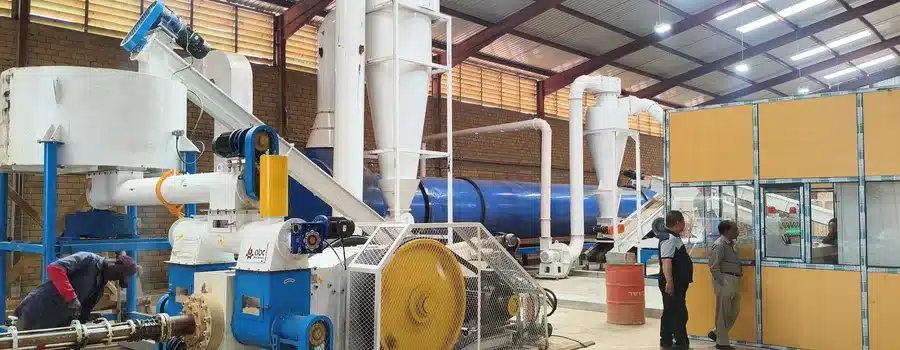
Commercial RDF Production Plant Example
Key Steps in Crafting a Financing Plan
A strong financing plan should include a detailed capital structure, addressing both equity and debt options. Many investors prefer to invest in projects that offer a clear path to profitability, so demonstrating operational efficiency and scalability is crucial. Consider options like project financing or green bonds, which can offer better terms for renewable energy projects.
Choosing the Right Funding Source
Your financing plan should outline the specific benefits and risks of each funding option. Bank loans are a traditional option but might come with stringent terms, while venture capitalists and impact investors may offer more flexible terms if the project aligns with sustainability goals. Green bonds, which fund environmentally friendly projects, are also becoming increasingly popular, especially in regions with supportive government policies.
To increase your likelihood of securing funding, it’s crucial to present a business plan with robust financial forecasts and a clear repayment strategy. Contact our financing experts to explore customized funding strategies for your RDF pellet project.
RDF Pellet Plant Design and Optimization
Designing an RDF pellet plant is a technical endeavor that requires careful selection of equipment and layout to optimize production efficiency. The plant design should factor in material handling, storage, and pelletizing processes, ensuring that the operations are streamlined and cost-effective.
Importance of RDF Pellet Plant Design
The layout of an RDF pellet plant significantly impacts operational efficiency and long-term profitability. A well-designed plant minimizes waste, reduces energy consumption, and maximizes throughput. For instance, optimizing pelletizing equipment can lead to a reduction in energy consumption by up to 15%.
Equipment Selection and Technology Optimization
Choosing the right equipment is crucial for the efficiency of an RDF pellet plant. Key equipment includes shredders, dryers, pellet mills, and cooling systems. Each piece of equipment should be selected based on the volume and type of waste materials processed. For instance, high-efficiency pellet mills can reduce energy costs by up to 20%, contributing to a more sustainable and profitable operation.

RDF Plant Production Technology
By implementing advanced technology and optimizing processes, you can achieve significant operational cost savings and increased production capacity. Plant optimization through proper equipment selection and layout planning can significantly reduce maintenance costs, which typically account for 10-15% of annual operational expenses. At GEMCO, we offer tailored optimization solutions to help you maximize productivity and minimize downtime. Contact us now for an expert RDF plant evaluation and customization.
Monitoring and Evaluation: Ensuring RDF Plant Business Plan Feasibility
After implementing the RDF pellet business plan, continuous monitoring and evaluation are essential to ensure its success. Regular performance reviews help identify potential issues early, allowing for adjustments to the business strategy.
Monitoring Your RDF Business Progress
Establishing key performance indicators (KPIs) is essential to track plant performance. These KPIs should focus on production output, energy efficiency, and cost management. Regularly assessing these metrics will provide valuable insights into the plant’s operational effectiveness.
Risk Management and Adjusting the Plan
Risk management is another crucial aspect of an RDF pellet plant business plan. Regularly evaluating potential risks—such as fluctuations in raw material supply or changes in regulations—allows businesses to adjust their plans accordingly. Implementing contingency plans for different scenarios can safeguard long-term success.

Turnkey RDF Pellet Plant for Sale
For tailored risk management strategies and plant performance evaluations, connect with our engineering consultants.