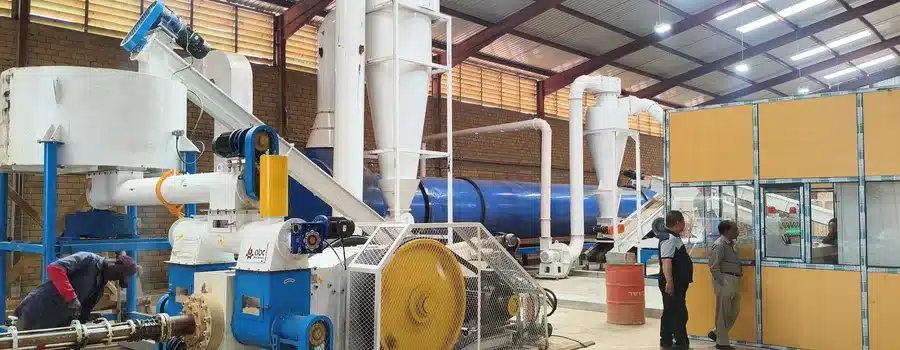
Layout for RDF Pellet Production Process
RDF Pellet Plant Design: Key Considerations
The design of an RDF pellet plant is crucial to its efficiency and overall performance. The layout of the facility, from raw material handling to finished product storage, plays a key role in minimizing operational costs and maximizing output. A well-planned design helps optimize the workflow, reduce energy consumption, and ensure that the production line operates at peak efficiency.
Core Factors in RDF Pellet Plant Design

Diverse Waste Fuel Pellet Factory Design Options
When designing an RDF pellet plant, several core factors need to be considered:
- Space Utilization: Efficient space planning can reduce construction costs by up to 20% and operational costs by 10–15%, according to industry case studies. A compact, modular layout that avoids unnecessary transport distances between shredding, drying, and pelletizing units can drastically shorten material handling time and improve safety.
- Material Flow Optimization: Streamlined material flow prevents process bottlenecks and reduces handling losses. Poor layout can lead to excessive manual intervention or frequent system stops. Plants with optimized flow paths typically experience 30–40% lower internal transport delays and fewer contamination risks, which is critical for maintaining RDF pellet quality.
- Energy Efficiency: Energy represents one of the largest operational costs in RDF production—often up to 40% of total OPEX. Strategic layout planning can help reduce energy use by minimizing the distance for material handling systems and improving thermal integration (e.g., placing dryers close to heat sources or energy recovery loops). Additionally, centralized power control rooms reduce wiring and maintenance costs.
By carefully considering these factors during the design phase, manufacturers can create an RDF pellet plant that operates more efficiently, with lower long-term costs.
Key Design Challenges
Despite the best planning, challenges often arise during the RDF pellet plant design process. Some common issues include:
- Space Constraints: Many RDF plants are built on brownfield sites or integrated into existing waste facilities. This limits layout flexibility and may require custom equipment or vertical arrangements to make full use of available space.
- Integration with Existing Infrastructure: Many companies need to retrofit new RDF pellet plants into existing facilities, which can be challenging due to space or infrastructure limitations.
- Material Handling Optimization: Achieving efficient, low-energy movement of raw materials (which may include bulky, moist MSW) is difficult. Balancing conveyor speed, elevation, and feeder design is essential to avoid jams and minimize wear.

Optimizing Material Flow in RDF Pellet Production Line
In RDF pellet production, material handling efficiency is crucial for maintaining a consistent and cost-effective operation. Optimizing material flow ensures that raw materials are processed smoothly and finished pellets are readily available for shipment or storage.

Large RDF Manufacturing Facility Material Transport
Best Practices for Optimizing Material Flow
- Use of Automated Systems: Implementing automated conveyors and sorting systems can significantly reduce labor costs and improve the accuracy of material handling. Automated systems help maintain a steady flow of materials and reduce the chances of delays or errors.
- Optimal Storage Solutions: Ensuring that raw materials and finished products are stored in a way that minimizes unnecessary movement is key. Proper storage layouts help to quickly access materials and improve the speed of production cycles.
- Minimizing Handling Times: The less raw materials and finished products are handled, the better. Reducing the number of transfers between machines, conveyors, and storage can dramatically cut down on production time.
Looking to streamline your RDF pellet production? Our automated RDF pellet production line and smart RDF material handling systems are designed to reduce labor costs, minimize handling times, and ensure seamless material flow. From intelligent conveyors to optimized storage solutions, we help you reduce downtime and accelerate your waste-to-fuel conversion process. Contact us now to get a customized layout for your waste to fuel equipment and see how advanced automation can transform your RDF plant performance.
Equipment Selection for RDF Pellet Production Line
Choosing the right equipment for an RDF pellet production line is one of the most important steps in optimizing the overall performance of the plant. The selection of equipment directly affects the quality of the pellets, as well as the overall energy consumption and maintenance costs.
Key Equipment Considerations
- Pellet Mills: The primary piece of equipment in an RDF pellet plant is the pellet mill, which shapes the RDF feedstock into pellets. The choice of pellet mill should be based on factors such as production capacity, energy efficiency, and the type of feedstock being processed.
- Dryers: Moisture content plays a crucial role in the quality of RDF pellets. High moisture levels can lead to poor pellet quality, so selecting a high-performance dryer is essential. Studies show that RDF feedstock should ideally be dried to 8%–12% moisture content before pelletizing
- Cooling Systems: Proper pellet cooling is critical to prevent deformation and maintain pellet integrity during packaging and storage. RDF pellets exit the pellet mill at temperatures up to 90°C, and without appropriate cooling, internal cracking and heat-related damage can occur. Modern counter-flow coolers can reduce pellet temperature to ambient levels within minutes.

GEMCO Waste Fuel Pellet Factory Project
Gemco offers reliable RDF pellet machines and complete RDF pelletizing systems designed to solve all operational challenges in RDF pellet production process. From raw material handling to pellet production, our solutions deliver consistent quality and improved throughput.
Cost Optimization Strategies in RDF Pellet Plant Layout
The layout of an RDF pellet plant can have a significant impact on the overall operational costs. A well-optimized layout not only improves efficiency but also reduces energy consumption and maintenance costs.
Cost-Effective Design Features
- Efficient Space Utilization: Maximizing the use of available space can significantly reduce construction and operating costs. Properly placing equipment and optimizing material handling can eliminate the need for costly expansions in the future.
- Energy-Saving Equipment: Selecting energy-efficient machinery reduces electricity consumption and lowers operating expenses. Incorporating energy recovery systems can further optimize energy usage.
- Preventative Maintenance: A layout that accommodates easy access to equipment for maintenance helps reduce downtime and repair costs.