Is a RDF Pellet Plant Profitable?
RDF Pellet Plant Feasibility Study Overview
A comprehensive RDF pellet plant feasibility study is crucial for the success of any waste-to-energy project. Market demand, potential cost savings, and environmental benefits are important factors for refuse derived fuel pellet plant feasibility studies. For investors and engineers, understanding the feasibility study process ensures that all aspects of plant design, equipment, and financing align with business objectives.
The RDF pellet plant process converts waste materials into energy-efficient fuel in the form of pellets. Conducting a feasibility study is essential for determining whether the project will yield a positive return on investment. A successful feasibility study identifies potential risks, outlines the necessary resources, and provides a clear roadmap for project implementation.

RDF Pellet Production Flow Chart
Key Components of a Feasibility Study
The feasibility study for an RDF pellet plant focuses on several critical components that contribute to the overall success of the project. These include plant design, equipment selection, and cost-benefit analysis.
Plant Design Feasibility
Effective plant design is the backbone of an RDF pellet plant. Key considerations include the layout of the facility, material handling systems, and processing technologies. A well-designed RDF production plant ensures efficient operations and minimal energy consumption. Common design elements to consider include:
- Space Optimization: Proper planning of plant areas for material storage, processing, and packaging.
- Energy Efficiency: Integrating energy-saving systems like heat recovery and advanced waste treatment.
- Waste Management: Ensuring the plant can efficiently process a variety of waste materials.
Equipment Selection and Process Optimization
Selecting the appropriate equipment for pellet production is critical to operational efficiency. The key machinery for RDF pellet plants includes crushers, dryers, pellet mills, and cooling systems. Each piece of equipment must be chosen based on its compatibility with the desired waste types, production capacity, and energy efficiency. For example, pellet mills with adjustable die sizes enable the production of various pellet types to meet market demands.
Choosing the right RDF pellet mill and waste pellet production equipment is essential for ensuring efficiency and long-term reliability. At GEMCO, we help you select and configure a complete RDF pelletizing system tailored to your feedstock, production goals, and energy requirements. Whether you’re processing mixed municipal waste or industrial refuse, our customized RDF production lines are designed for maximum output and minimum cost.
Contact us now to get a professional equipment recommendation, project layout, and free quote.

Cost-Benefit Analysis
A cost-benefit analysis is essential to assess the financial viability of the RDF pellet plant. This involves comparing the projected investment with potential savings in energy costs, waste disposal fees, and environmental impact mitigation. Considerations for this analysis include:
- Initial Capital Investment: Equipment procurement, construction, and labor costs.
- Operational Costs: Maintenance, labor, and energy consumption.
- Revenue Projections: Sales of RDF pellets, energy savings, and potential government incentives.
Practical Steps for Conducting Feasibility Studies
Conducting an RDF pellet plant feasibility study involves several practical steps, each designed to assess different aspects of the project’s viability.

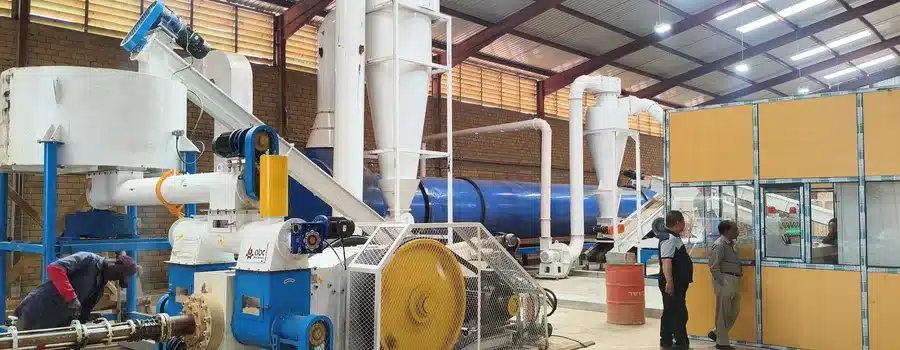
Inside View of a Large RFD Plant
Market Research and Demand Analysis
Market research is the first step in determining the demand for RDF pellets in the target region. This involves assessing the availability of raw materials, potential customers, and competitive market conditions. Key market drivers include:
- Energy Demand: A growing need for renewable energy sources, especially in industrial sectors.
- Waste Management Regulations: Increased pressure on businesses to reduce waste and adopt sustainable practices.
- Geographical Advantages: Proximity to waste suppliers and energy consumers.
Environmental Impact and Regulatory Compliance
The environmental impact of RDF pellet production must also be assessed during the feasibility study. Compliance with local regulations regarding emissions, waste disposal, and energy efficiency is essential for ensuring project success. Conducting an environmental impact assessment (EIA) helps identify potential challenges related to waste processing and pollution control.
Budgeting and Financing Options
After assessing market demand and environmental factors, the next step is to establish a comprehensive budget. This includes identifying financing sources, which may involve both private investors and government subsidies. Understanding the capital structure and operating costs is crucial to ensuring the project’s financial sustainability.
Common Challenges in RDF Pellet Plant Feasibility
While an RDF pellet plant can offer significant benefits, there are common challenges that may arise during the feasibility study phase. Addressing these challenges early can mitigate risks and ensure smoother implementation.
Technical Challenges
Technical challenges in RDF pellet plant design and operation include:
- Waste Quality Variation: Raw materials used for RDF pellet production—such as municipal solid waste, industrial waste, and packaging residues—often vary significantly in moisture content (ranging from 25% to 55%) and calorific value (from 8 to 20 MJ/kg). This variability demands highly flexible and automated pre-treatment and drying systems that can adapt to different feedstock profiles in real time.
- Equipment Maintenance: RDF pellet production lines operate under high loads and often process abrasive materials like rubber and fibers. Studies show that unplanned downtime due to equipment failure can reduce annual output by up to 12%. Therefore, investing in robust pellet mills with wear-resistant components, along with implementing a predictive maintenance schedule using IoT sensors, can significantly reduce maintenance costs and extend equipment life by over 20%.

Automatic Refuse Derived Fuel Plant at Best Price
Facing uncertainty in RDF pellet plant feasibility? Waste variation, equipment maintenance, and system flexibility are just a few of the common hurdles investors encounter. At GEMCO, we provide expert guidance and technical support to help you assess and overcome these challenges. From selecting the right waste processing equipment to designing a reliable RDF pelletizing system, we ensure your project is built on a solid foundation.
Contact us today for feasibility study assistance, equipment consulting, and technical risk analysis.
Project Risks and Mitigation Strategies
Every project faces risks, such as cost overruns, delays, and environmental concerns. Risk management strategies such as detailed planning, regular monitoring, and the selection of reliable suppliers are critical to success.
For a successful RDF pellet plant implementation, partnering with experienced engineers can help mitigate technical and financial risks.
Cost Reduction and Efficiency Optimization
One of the main goals of the feasibility study is to identify opportunities for cost reduction and efficiency optimization. By investing in advanced technologies, such as automated control systems and energy-efficient equipment, the plant can reduce operational costs while maximizing output.