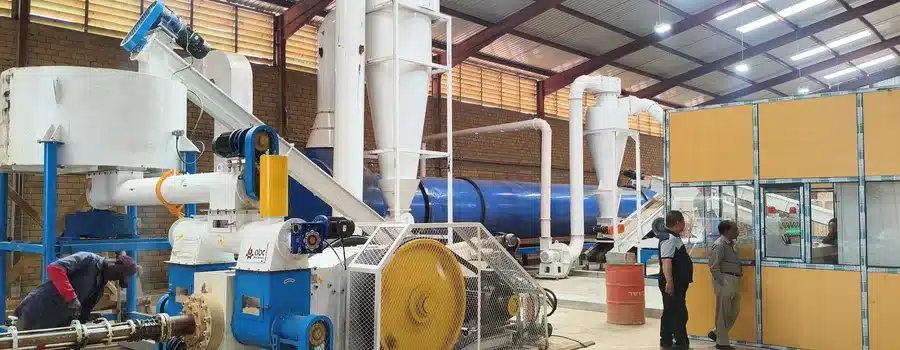
RDF Pellet Plant Construction Location Selection
Understanding the Importance of Location for RDF Pellet Plants
Choosing the optimal location for your RDF pellet plant is crucial to ensuring long-term efficiency and cost-effectiveness. The right site can significantly impact production output, resource management, and overall operational costs. Understanding the relationship between plant location and factors such as logistics, resource availability, and cost management will help you make the best decision.
- Impact on Production Efficiency: The location of your RDF pellet plant directly influences the production process. For instance, RDF plants located within 50 km of municipal solid waste (MSW) sources can reduce transportation costs by up to 30%, based on industry logistics benchmarks.
- Optimizing Supply Chain and Logistics: An optimized location can significantly enhance logistics performance. RDF producers located near industrial clusters or major road networks often benefit from reduced lead times—by as much as 20–40%—when compared to remote installations. This enables more timely delivery of finished RDF pellets to cement plants, power stations, or export terminals. Efficient inbound logistics for raw materials and outbound logistics for pellets contribute to a smoother supply chain and improved customer satisfaction, particularly in regions with strict delivery timelines.
- Cost Control and Resource Allocation: Location decisions often affect land costs, local infrastructure, and utility availability. These factors can influence the overall capital expenditure and operational expenses of your RDF pellet plant.
Incorporating geographical, logistical, and regulatory considerations into the location decision is essential for enhancing plant performance and minimizing operational disruptions. Taking the time to thoroughly analyze these elements early in the planning process will set the stage for greater long-term success.
Key Factors for Selecting the Best Location for Your RDF Pellet Plant
When selecting the right site for an RDF pellet plant, there are several key factors to consider. Understanding these elements ensures that the plant will be well-positioned for efficient operation.
- Geography and Accessibility: The geographic location of the plant is a major factor in reducing transportation costs. A site close to transportation hubs, such as highways, railways, and ports, ensures that raw materials and finished products can be transported with minimal delays.
- Regulatory and Policy Factors: Different regions may have varying environmental regulations, permitting processes, and local policies that can affect the feasibility of your RDF pellet plant project. Understanding local laws and obtaining the necessary approvals in advance is crucial for avoiding costly delays.
- Resource Availability and Sustainability: Assessing the availability of key resources such as energy sources, water, and workforce is critical. Sustainable access to resources helps in reducing long-term operating costs and ensuring the plant’s efficiency.

Complete RDF Pellet Plant Construction
Strategic RDF plant site selection plays a vital role in operational cost control and long-term sustainability. By locating your RDF pellet plant near renewable energy sources or efficient waste management systems, you can reduce energy costs and support environmental goals. GEMCO provides expert consulting on RDF project location analysis, helping you build a cost-effective and eco-friendly waste-to-fuel facility.
Contact us now for site planning support, layout design, and sustainable RDF production solutions.

Analyzing Global RDF Pellet Plant Location Case Studies
Examining successful and unsuccessful case studies from around the world provides valuable insights into RDF pellet plant location selection. By learning from these examples, you can identify the factors that led to successful operations or contributed to failures.

Refuse Derived Fuel Plant Example
- Successful Case Studies: In several European countries—such as Germany, the Netherlands, and Sweden—RDF pellet plants have achieved operational success by locating near urban waste treatment centers and advanced recycling facilities. For example, in the Netherlands, RDF producers located within 20 km of sorting and incineration facilities have reported raw material acquisition costs up to 25% lower than those located in peripheral zones.
- Lessons from Unsuccessful Projects: By contrast, RDF pellet projects in regions lacking basic infrastructure or facing restrictive regulations have often struggled. For example, some plants in Southeast Europe and parts of South Asia encountered logistical bottlenecks due to poor road access and inconsistent waste supply. In such cases, transport costs rose by 15–30%, and downtime increased significantly due to raw material shortages or energy instability. These cases highlight the importance of thorough feasibility studies and site audits before investing in RDF production infrastructure.
- Regional Pros and Cons: Each region presents unique advantages and challenges. For example, regions with higher waste volumes may offer abundant raw materials but could be plagued by higher land costs or regulatory barriers. Conversely, areas with abundant renewable energy sources might offer long-term cost savings but require more complex logistical planning.
Understanding the regional advantages and challenges is key to ensuring that your RDF pellet plant construction is cost-effective and sustainable. Reach out to our team of experts to begin your site selection process today.