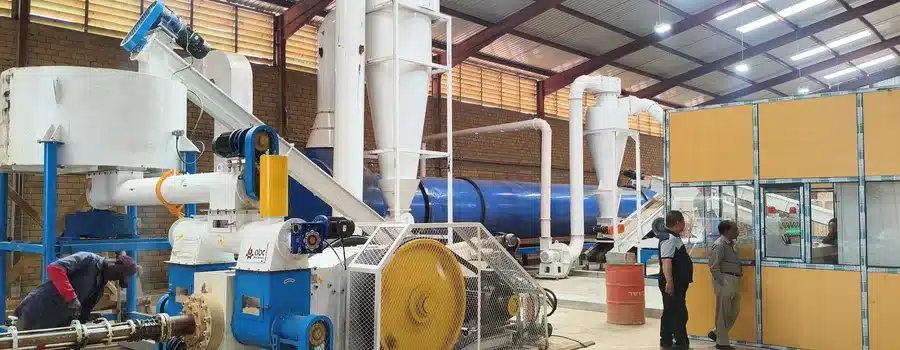
Complete RDF Pellet Production Line Design
RDF Production Line Design and Planning for Optimal Performance
Designing an RDF pellet plant involves careful planning and consideration of multiple factors that impact both efficiency and operational costs. RDF (Refuse-Derived Fuel) production lines must be carefully designed to handle a wide range of waste materials while ensuring high throughput and minimal downtime. One of the key considerations is system integration, which ensures that all components of the plant work harmoniously. The layout of the RDF plant should support efficient material flow, from sorting and shredding to pelletizing and storage.
The overall system architecture of the RDF plant should include robust material handling systems, storage areas, and energy-efficient pelletizing technology. In addition, key decisions related to technology selection—such as the choice between rotary kilns or fluidized bed systems for drying—play a significant role in the plant’s efficiency.

RDF Pellet Production Line Process
Key factors that influence the design include:
- Waste Sorting Capabilities:
Efficient waste sorting is the foundation of high-quality RDF pellet production. By incorporating advanced technologies such as near-infrared (NIR) spectroscopy, eddy current separators, and AI-powered optical sorters, RDF plants can achieve material separation rates of over 90%. This not only reduces contamination but also ensures that recyclable materials—such as metals, plastics, and paper—are diverted from the RDF stream, improving the calorific value and consistency of the final pellets. Plants using automated sorting systems report up to 25% higher fuel quality compared to manual sorting setups.
- Energy efficiency:
Energy consumption is one of the largest operational costs in RDF pellet production. By employing energy-saving technologies such as variable frequency drives (VFDs), waste heat recovery systems, and high-efficiency motors, facilities can reduce energy usage by 20–30%. Moreover, some RDF plants are now integrating renewable energy sources, such as solar-assisted drying systems, which can lower carbon emissions and qualify the plant for green energy incentives or carbon credits, depending on the region.
- Automation and Smart Control:
Modern RDF facilities benefit greatly from full automation, including real-time monitoring, automated process adjustments, and predictive maintenance alerts. By integrating PLCs (programmable logic controllers) and SCADA (supervisory control and data acquisition) systems, operators can maintain consistent production even under fluctuating feedstock conditions. According to industry benchmarks, automation can improve overall system efficiency by up to 15%, reduce human error, and minimize unplanned downtime.
Effective planning can minimize future operational challenges by addressing issues such as equipment wear and system inefficiencies early in the design phase.

Equipment Selection and Technical Optimization for RDF Pellet Production Lines
Choosing the right equipment is essential for optimizing RDF pellet plant performance. Efficient RDF pelletizing technology plays a pivotal role in maximizing throughput while minimizing energy consumption. It is critical to select equipment that matches the unique needs of the RDF feedstock, as different waste types may require specific processing techniques.

Complete RDF Production Plant for Sale
The selection of key equipment, such as shredders, pellet mills, and dryers, should be based on several factors:
- Material Type: Different RDF feedstocks require tailored processing solutions. Municipal solid waste (MSW), which may include plastics, textiles, paper, and organic residues, often requires high-torque, slow-speed shredders equipped with anti-wrap rotors and metal detection systems to prevent damage.
- Production Capacity: Equipment must be appropriately sized to meet the plant’s target output. Small-to-medium RDF pellet plants typically operate at 10 to 50 tons per day, while larger industrial systems may exceed 100 tons/day. Overestimating capacity can lead to unnecessary capital expenditure, while underestimating can create processing bottlenecks. Modular equipment designs allow future expansion without major reinvestment—ideal for growing operations.
- Energy Consumption: With energy costs representing a significant portion of operating expenses, selecting energy-efficient machines is essential. Leading RDF pelletizing systems feature energy consumption rates as low as 90–120 kWh/ton, depending on feedstock moisture and pellet size. Using heat recovery systems in dryers and variable-speed drives in motors can reduce electricity usage.
Operation and Maintenance Management for RDF Production Lines
Running and maintaining an RDF pellet plant requires constant monitoring to ensure operational efficiency and prevent unplanned downtime. Effective maintenance management strategies should be in place to avoid breakdowns and extend the lifespan of equipment.

RDF Pellet Machines of Production Line
The daily operation involves:
- Monitoring Production Rates: Regularly tracking output levels to identify inefficiencies.
- Maintenance Schedules: Preventive maintenance should be scheduled every 500 operating hours to ensure optimal equipment performance.
- Troubleshooting: Identifying and resolving any operational issues quickly, such as blockages in conveyors or performance drops in pelletizers.
Establishing a clear maintenance protocol and having well-trained personnel can greatly enhance the operational stability of RDF production lines.