RDF Pellet Plant RIO Analysis
Key Factors Affecting RDF Pellet Plant Investment Costs
Investing in an RDF (Refuse Derived Fuel) pellet plant involves numerous cost factors, each significantly influencing the total investment required. Understanding these elements is essential for accurate cost estimation and effective investment planning.
Land Acquisition and Site Preparation
The cost of acquiring land for an RDF pellet plant is a significant initial investment. Land prices can vary greatly depending on location, accessibility, and zoning regulations. For example, land costs in urban areas are often much higher than in rural areas, with prices ranging from $10,000 to $100,000 per acre. Additionally, site preparation, including clearing, grading, and infrastructure development, adds to the overall investment.
Equipment and Technology Selection
The choice of equipment plays a crucial role in the plant’s efficiency and long-term operating costs. RDF pellet plants require specialized machinery such as shredders, dryers, pelletizers, and conveyors. The cost of refuse-derived fuel machines depends on the capacity and level of automation. Moreover, opting for advanced and energy-efficient technology may increase upfront costs but can result in long-term savings on energy consumption and maintenance.
Operational and Maintenance Costs
Once the plant is operational, ongoing operational costs, such as labor, raw material procurement, and utilities, must be considered. For example, energy consumption can represent up to 30% of the plant’s total operating costs. Similarly, maintenance is essential for ensuring the continuous operation of equipment. The cost of routine maintenance and unexpected repairs must be factored into the long-term investment plan.
Key cost factors:
- Land acquisition costs
- Equipment purchase and installation
- Energy consumption and utility costs
- Labor and raw material costs
- Maintenance and repair costs
It is crucial to calculate and predict all cost factors to develop an accurate budget, ensuring that the plant is financially viable in the long term. If you need, you can contact us directly by clicking the button below. Our engineers will analyze the cost of building rdf plants for you based on your specific situation.

Conducting a Comprehensive ROI Analysis for RDF Pellet Plant Investment
When planning an RDF pellet plant investment, evaluating the Return on Investment (ROI) is vital for understanding its profitability. ROI helps investors determine whether the project will yield enough returns to justify the initial expenditure.

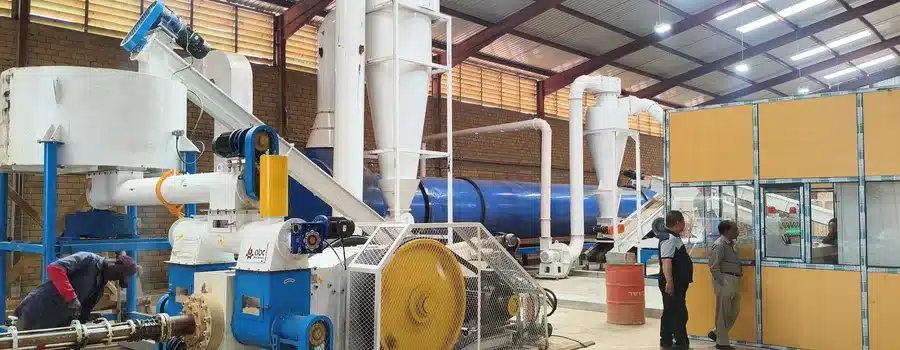
Large RDF Plant Project
1. Calculating ROI: A Step-by-Step Approach
The ROI for an RDF pellet plant is calculated by comparing the total investment cost with the plant’s expected revenue. For instance, if the plant costs $5 million to establish and generates an annual revenue of $2 million, the ROI over five years would be calculated as follows:
ROI (%) = ((Total Revenue – Total Investment Cost) / Total Investment Cost) × 100%
- Total revenue over 5 years = 2 million × 5 = USD 10 million
- ROI = ((10M – 5M) / 5M) × 100% = (5M / 5M) × 100% = 100%
In this example, the ROI would be 100%, meaning the plant is expected to pay back its initial investment in five years.
2. Factors Impacting ROI
Several factors influence the ROI of an RDF pellet plant:
- Market Demand: The demand for RDF pellets in energy generation or as industrial fuel can affect revenue.
- Efficiency Improvements: Implementing process optimizations can increase plant productivity, thereby boosting ROI.
- Operational Costs: High operating costs, particularly in energy consumption and labor, can reduce ROI.
Understanding the nuances of these factors allows investors to make informed decisions and tailor their investment strategy for the best possible ROI.
Strategies for Reducing RDF Pellet Plant Investment Costs
Investors can implement several strategies to reduce the initial and operational costs of an RDF pellet plant, ensuring a more cost-effective investment.

Refuse Derived Fuel Plant Machines for Sale
1. Process Optimization and Automation
Investing in process optimization technologies such as automated feeding systems and advanced control systems can reduce labor costs and improve efficiency. Automation in pelletizing, drying, and material handling can lead to significant long-term savings, cutting operational expenses by up to 20%.
2. Energy-Efficient Equipment Selection
Choosing energy-efficient equipment such as low-energy dryers and efficient boilers can reduce the plant’s energy consumption by 15% to 25%, significantly lowering operating costs.
3. Equipment Sourcing and Bulk Purchasing
When purchasing equipment, negotiating bulk deals or opting for second-hand equipment can lead to considerable savings. Bulk purchasing discounts can reduce the equipment cost by up to 10%.
Implementing smart strategies like process automation, energy-efficient RDF pelletizing equipment, and optimized sourcing can drastically reduce your RDF pellet plant cost. At GEMCO, we provide tailored RDF production line solutions, including layout design, equipment selection, installation support, and ROI analysis. Whether you’re upgrading an existing system or starting a new RDF pellet project, our team will help you reduce investment risks and boost profitability.
👉 Get in touch now for a customized quotation, 3D plant layout, and expert advice from our engineers.
Evaluating the Cost-Benefit of RDF Pellet Plant Design Options
Designing an RDF pellet plant involves considering various design configurations that can impact both initial investment and long-term operational costs.
1. Flexible vs. Rigid Plant Design
A flexible plant design that allows for future capacity expansion may require a higher initial investment but can offer greater scalability. This ensures that the plant can adapt to growing demand without the need for significant additional investments.
2. Modular Designs
Modular designs, where key components are pre-fabricated and assembled on-site, can significantly reduce construction time and costs. Modular systems can also facilitate easier upgrades and expansions, contributing to long-term cost savings.
Investing in a flexible, modular design can reduce future operational and expansion costs, enhancing the plant’s profitability.