RDF Pellet Fuel Manufacturing Process
RDF Pellet Fuel Manufacturing Overview
RDF (Refuse Derived Fuel) pellet fuel is an essential renewable energy source derived from non-recyclable waste materials, processed into uniform pellets. These pellets are used to generate energy for various industrial applications, including power generation and heat production. In the face of rising energy costs and environmental concerns, RDF pellet fuel provides an efficient and cost-effective alternative to conventional fossil fuels.
The demand for RDF fuel has seen significant growth, driven by its ability to reduce waste while contributing to sustainability goals. As industries seek greener solutions, the market for RDF pellet fuel has expanded across numerous sectors, such as cement manufacturing, industrial heating, and power plants. The environmental benefits, combined with rising energy needs, make RDF fuel a highly sought-after resource for industries worldwide.
RDF Pellet Fuel Manufacturing Process
The RDF pellet fuel production process involves several key stages, starting from the selection and processing of raw materials to the pelletization, drying, and cooling stages.

Refuse Derived Fuel Pelletizing Process Chart
1. Raw Material Selection and Processing
The foundation of high-quality RDF pellet fuel lies in the careful selection and processing of waste materials. Typical feedstocks include municipal solid waste (MSW, accounting for over 60% of RDF sources in many urban centers), industrial by-products such as plastics and packaging residues, and agricultural waste like straw or husks. These raw materials undergo advanced shredding, magnetic separation, and screening processes to remove metals, glass, and other contaminants. With proper treatment, impurities can be reduced by up to 95%, ensuring the pellets meet strict international quality and environmental standards.
2. Pelletization Process
Once pre-processed, the materials are compacted into dense, uniform pellets using high-efficiency RDF pellet mills. Moisture control between 8–12% and optimized compression pressure are key factors for producing durable pellets. The resulting RDF pellets typically achieve a calorific value of 14–20 MJ/kg, comparable to some grades of coal but with up to 30% lower CO₂ emissions. Consistent pellet size and shape not only improve combustion efficiency but also reduce ash production, making them highly suitable for power plants and cement kilns.
3. Drying and Cooling
To maximize energy density, pellets undergo controlled drying to reduce residual moisture. For example, reducing moisture from 25% to below 10% can increase net heating value by more than 40%. After drying, a cooling system stabilizes the pellets, preventing cracks or breakage during storage and transport. Proper drying and cooling extend pellet shelf life by 6–12 months, ensuring reliable supply for industrial users.
This stage is critical in ensuring the pellets retain their structural integrity, which is essential for their use in industrial energy generation. We can provide you with customized production processes and equipment, if you need anything you can click below to contact us directly.

Equipment Selection and Optimization: Key to Enhancing Production Efficiency
Selecting the right equipment and optimizing it for RDF pellet fuel production is crucial for improving efficiency and reducing operational costs. Several key pieces of equipment are involved in the RDF pellet production process, each contributing to the overall system’s effectiveness.
- Pellet Mills: Pellet mills are the core machines in the pelletization process. High-performance mills are necessary to achieve high throughput and uniform pellet quality.
- Dryers and Coolers: Efficient drying and cooling systems are essential to control moisture content and ensure the pellets are of the highest quality. Rotary dryers and air cooling systems are commonly used in RDF pellet production.
- Conveyors and Feeders: These machines are used for transporting raw materials and finished pellets throughout the production facility. Properly optimized conveyor systems can significantly reduce energy consumption and improve production efficiency.

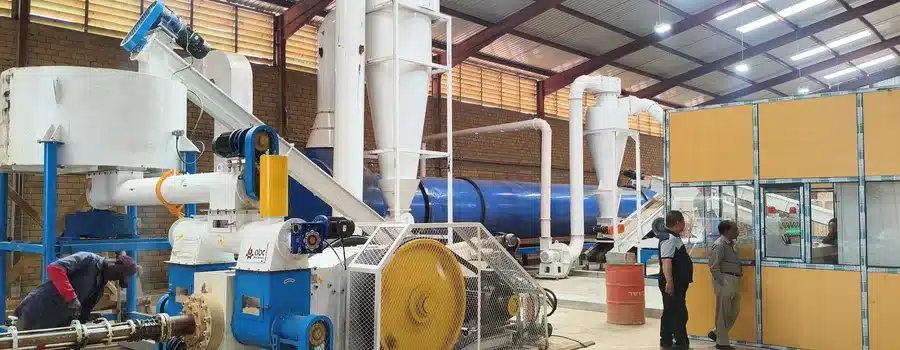
RDF Pellet Manufacturing Machines in Plant
Equipment Selection Guidelines
When selecting equipment, it’s crucial to consider factors such as the feedstock type, production scale, and energy efficiency requirements. Investing in high-quality, energy-efficient machines can lower operational costs in the long term and ensure consistent pellet production.
Key factors to consider:
- Production Capacity: Ensure equipment can meet the required output, measured in tons per hour.
- Energy Efficiency: Opt for machines that minimize energy consumption per ton of pellets produced.
- Maintenance Needs: Select equipment with low maintenance requirements to reduce downtime and extend service life.
Industrial Applications of RDF Pellet Fuel and Energy Efficiency Optimization
RDF pellet fuel is gaining traction across various industrial applications, owing to its efficiency, sustainability, and cost-effectiveness. It is primarily used in power plants, cement kilns, and industrial boilers for generating heat and electricity.
- Energy Efficiency: One of the key advantages of RDF pellet fuel is its ability to generate significant amounts of energy with minimal environmental impact. Optimizing the combustion process is crucial to enhancing energy efficiency.
- Environmental Benefits: RDF pellets produce lower emissions compared to traditional fossil fuels, making them a more eco-friendly choice for industries. Furthermore, they help reduce waste by converting non-recyclable materials into valuable energy resources.
Industrial Use Cases
- Power Generation: RDF pellet fuel can be used in coal-fired power plants as a supplemental fuel, reducing the reliance on coal and lowering CO2 emissions.
- Cement Industry: Cement manufacturers use RDF pellets as an alternative fuel to reduce their carbon footprint and minimize waste disposal costs.
- Industrial Heating: RDF pellets are increasingly being used in industrial boilers to replace natural gas, contributing to lower operational costs and enhanced energy efficiency.
Optimize your RDF pellet fuel production today and contribute to a sustainable future – Get in touch with our experts to explore tailored solutions for your facility.