RDF Pellet Fuel Applications in Industrial Production
RDF Pellet Fuel in Energy-Intensive Industries
RDF pellet fuel is increasingly being utilized in energy-intensive industries such as cement manufacturing, steel production, and paper mills. These industries require a substantial amount of energy, and RDF pellet fuel offers a cost-effective and sustainable alternative to conventional fossil fuels. By utilizing RDF pellets, companies can significantly reduce their reliance on coal and natural gas, resulting in lower energy costs and reduced carbon emissions.
The energy optimization potential of RDF pellets is particularly crucial in industries where high temperatures and constant energy consumption are key requirements. For example, in cement production, the use of RDF pellets can reduce fuel costs by 20-30%, making the manufacturing process more economical. In addition to cost savings, RDF pellet fuel has been proven to enhance energy efficiency, reducing the overall energy consumption per unit of output.
- Cost-effective fuel source: RDF pellets are often cheaper than conventional fuels like coal.
- Energy efficiency: RDF pellets help optimize energy usage in high-demand manufacturing processes.
- Carbon footprint reduction: Replacing fossil fuels with RDF pellets contributes to a decrease in greenhouse gas emissions.

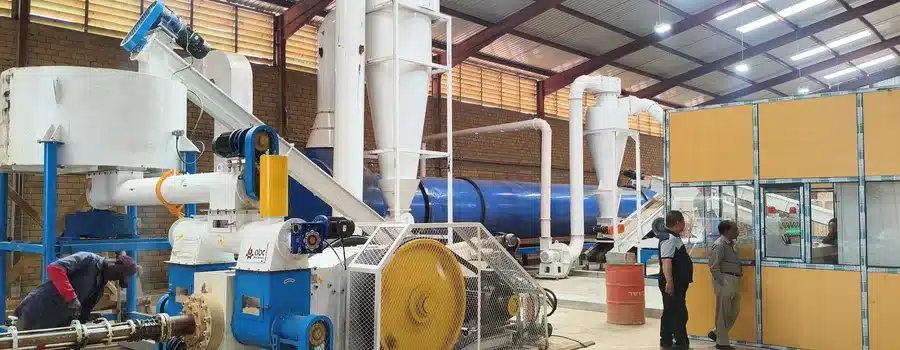
Refuse Derived Fuel Pellet Production Facility
The key to successfully integrating RDF pellets into energy-intensive industries is the proper equipment selection and system integration, ensuring that the fuel is used in the most efficient manner possible. This involves choosing the right combustion system, modifying existing equipment, and optimizing fuel handling processes.
Contact our experts for tailored solutions that maximize RDF pellet fuel efficiency in your manufacturing operations.
RDF Pellet Fuel in Waste Management Systems
RDF (Refuse-Derived Fuel) pellet fuel is transforming the way industries manage waste, providing an eco-friendly solution for both waste disposal and energy generation. By converting non-recyclable waste into high-energy RDF pellets, companies can significantly reduce the amount of waste heading to landfills, while simultaneously generating valuable renewable energy.
Environmental and Economic Benefits
The environmental impact of RDF pellet fuel is profound. By substituting traditional incineration methods, RDF pellets help reduce harmful emissions and divert substantial amounts of waste from landfills. Studies show that RDF pellet production can reduce landfill waste by up to 50% in certain industrial sectors, making it a key player in global sustainability initiatives.
- Waste diversion: RDF pellets help reduce landfill burden, lessening environmental pollution.
- Resource recovery: Non-recyclable materials are efficiently converted into a valuable fuel source.
- Energy generation: RDF pellets serve as a renewable energy option, enabling industries to reduce their reliance on fossil fuels.
A Win-Win for the Environment and Your Bottom Line
Incorporating RDF pellets into your waste management system doesn’t just support sustainability goals—it also offers measurable benefits to your operations. By adopting RDF technology, companies can lower waste disposal costs, reduce carbon footprints, and even generate new revenue streams from energy recovery.
At ABC Machinery, we are dedicated to helping industries optimize waste management through high-quality RDF pellet solutions. Our technology maximizes energy recovery, ensuring your company not only meets environmental standards but also improves operational efficiency.

Manufacturing RDF Pellet Fuel for Energy
If you’re looking to optimize your waste management system and enhance energy recovery, partnering with ABC Machinery is your first step toward a greener, more cost-effective future. Contact us today to explore how our RDF pellet solutions can benefit your business and the planet.

Integrating RDF Pellet Fuel into Manufacturing Processes
Integrating RDF pellet fuel into existing manufacturing processes is a key challenge for many industries. It requires understanding the specific energy needs of the facility, selecting appropriate equipment, and ensuring that the fuel handling system is compatible with the current infrastructure.
Choosing the right combustion system is essential. Many manufacturers opt for rotary kilns or fluidized bed boilers, which are specifically designed to handle RDF pellets efficiently. It is also important to ensure that fuel storage and transportation systems are optimized to prevent any operational disruptions.
In terms of equipment selection, companies should prioritize systems that are specifically designed for RDF pellet combustion. These systems ensure that RDF pellets are burned at optimal temperatures, ensuring high energy output with minimal emissions.
Contact Us Now To Get Your Customized RDF Pellet Fuel Integration Plan