Technical Specifications and Analysis Methods for RDF Pellet Fuel
RDF Pellets: Key Specifications Overview
Refuse-derived fuel (RDF) pellets are increasingly gaining popularity as a sustainable energy source for industrial applications. These pellets are made from various waste materials such as municipal solid waste (MSW), plastics, and paper, which are processed and transformed into a uniform fuel. The quality of RDF pellets is dictated by specific standards, ensuring consistency in energy output and safety for industrial use.
Key Composition Factors
RDF pellets are generally composed of cellulose, lignin, and other organic compounds. These components determine the energy potential of the pellets. Key parameters include:
- Calorific value: RDF pellets typically have a calorific value of 15-20 MJ/kg, which is essential for efficient combustion.
- Moisture content: The moisture content in RDF pellets should be less than 10% for optimal energy production.
These specifications help manufacturers design processes that ensure the production of high-quality RDF pellets that meet industrial energy needs.
Industry Standards and Guidelines
Several industry standards govern RDF pellet production, such as:
- ISO 17225-1: This standard provides specifications for fuel pellets, including particle size, moisture content, and calorific value.
- European Waste Framework Directive: This outlines the criteria for waste-derived fuels used in energy recovery.
By adhering to these guidelines, manufacturers can ensure that RDF pellets meet market requirements and optimize energy production in industrial applications.
The Impact of Fuel Quality on Energy Production
The quality of RDF pellets significantly affects energy production. High-quality pellets with consistent properties, such as low moisture and high calorific value, ensure higher combustion efficiency and lower emissions. This is crucial for industries that rely on RDF for energy generation, as it directly influences operational costs and environmental impact.
Optimizing RDF pellet production requires careful attention to these specifications, allowing manufacturers to improve efficiency, reduce emissions, and ensure consistent fuel performance.
Testing Methods for RDF Pellet Fuel
Testing RDF pellet fuel is essential to assess its quality and ensure it meets industry standards. Different testing methods are used to determine the physical and chemical properties of the pellets, which directly influence their combustion efficiency and environmental impact.
Common Testing Techniques
The most common testing methods include:
- Calorific Value Testing: This test measures the energy content of the pellets, usually through bomb calorimetry. It is critical for determining the efficiency of RDF as a fuel source.
- Moisture Content Testing: Moisture levels affect the combustion efficiency of RDF pellets. Standardized methods, such as oven drying or infrared drying, are used to measure moisture content.
Assessing Fuel Quality
RDF pellet fuel quality is assessed through both laboratory testing and field testing. Laboratory testing provides controlled conditions for measuring properties such as ash content and calorific value, while field testing evaluates how the pellets perform in real-world applications. Both testing methods are essential for ensuring reliable fuel quality.
Proper testing of RDF pellets is crucial to ensuring their suitability for energy production and to avoid issues such as low combustion efficiency or excessive emissions.
Optimizing RDF Pellet Production Processes

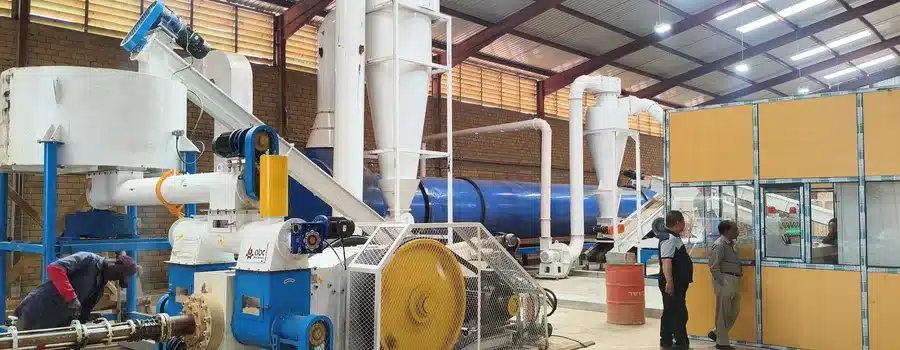
Turnkey RDF Pellet Plant Solution
Optimizing the production process of RDF pellets involves several design and operational strategies aimed at enhancing efficiency and reducing costs. A well-optimized production line can significantly increase the output and quality of RDF pellets, contributing to a more sustainable energy source.
Design Considerations for RDF Pellet Manufacturing Lines
When designing RDF pellet production lines, it is essential to focus on the following factors:
- Feedstock preparation: Pre-treatment of waste materials, such as shredding and drying, can enhance pellet quality.
- Pelletizing equipment: Selecting the right pelletizer ensures uniform pellet size and consistency.
Equipment Choices for Better Fuel Output
The choice of equipment is critical to optimizing RDF pellet production. Key machinery includes:
- Shredders for size reduction of raw waste materials.
- Dryers to reduce the moisture content in feedstock.
- Pellet mills for compacting feedstock into pellets.
Process Optimization Strategies
To further optimize RDF pellet production, manufacturers should consider:
- Energy recovery systems to capture and reuse heat from the process.
- Automated monitoring systems to ensure consistent product quality.
By carefully selecting equipment and optimizing production processes, manufacturers can improve the cost-effectiveness and efficiency of RDF pellet production.
Contact us now to learn how our customized engineering solutions can help you optimize your RDF pellet production line for maximum efficiency.

Cost-Effective RDF Pellet Production Solutions
RDF pellet production can be costly, but there are several strategies that manufacturers can adopt to reduce expenses while maintaining fuel quality.
Reducing RDF Pellet Production Costs
To lower production costs, manufacturers can:
- Invest in energy-efficient equipment that reduces electricity consumption.
- Use waste heat recovery systems to minimize energy costs.
Choosing the Right Equipment
Selecting the right machinery, such as high-efficiency pellet mills and dryers, can result in significant cost savings. Manufacturers should also consider equipment that allows for easy maintenance and long service life to reduce operational downtime and repair costs.
By optimizing both equipment and processes, manufacturers can significantly cut costs while maintaining the high-quality standards required for RDF pellet production.
Unlock cost savings and enhance production efficiency with our tailored RDF pellet production solutions. Reach out to our experts to discuss your needs today.