The Role of RDF Fuel in the Global Energy Transition
RDF Pellet Fuel’s Role in Global Energy Transition
Refuse Derived Fuel (RDF) is derived from non-recyclable waste materials, making it a valuable asset for industries seeking to address both energy needs and waste disposal challenges. The production of RDF fuel involves the processing of municipal solid waste (MSW) into pellets, which can then be used in industrial boilers, cement kilns, and other energy-intensive applications. This not only contributes to waste reduction but also optimizes energy efficiency by utilizing materials that would otherwise contribute to landfill growth.
Environmental and Economic Benefits of RDF Fuel
RDF pellet fuel is instrumental in achieving sustainable energy goals, reducing dependence on fossil fuels. By utilizing waste as a resource, RDF fuel plays a pivotal role in both lowering greenhouse gas emissions and reducing energy costs for industrial operations. Research has shown that the carbon footprint of RDF fuel is significantly lower than traditional fossil fuels like coal and oil. In fact, RDF pellet fuel can reduce CO₂ emissions by up to 30%, depending on the source of waste and the combustion technology used.
Industries in sectors such as cement manufacturing, power generation, and waste management are increasingly adopting RDF pellet fuel solutions. This market expansion presents a significant opportunity for companies involved in RDF fuel production and system design to meet the growing demand. Furthermore, governments worldwide are promoting policies to incentivize the use of renewable energy sources, which further strengthens the position of RDF pellet fuel as a key player in the global energy transition.
- Energy Efficiency: RDF fuel improves energy efficiency by replacing traditional fossil fuels with a more sustainable energy source.
- Waste Reduction: RDF fuel uses non-recyclable waste, contributing to waste reduction and landfill diversion.
- Cost Optimization: RDF fuel offers a cost-effective alternative to traditional fuels, especially in regions where waste disposal costs are high.
Designing Efficient RDF Pellet Fuel Systems
To optimize RDF pellet fuel production, careful attention must be given to system design, ensuring that equipment and processes work seamlessly to maximize efficiency. The design of RDF pellet fuel systems involves the integration of advanced technologies that can handle the unique properties of waste-derived materials.

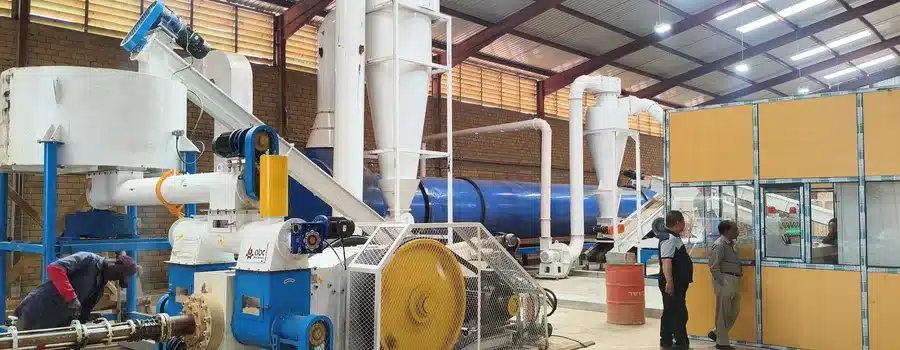
Advanced RDF Pellet Processing Plant
Optimizing Production Lines for RDF Fuel
One of the critical aspects of designing RDF pellet fuel systems is selecting the right equipment for processing waste materials into high-quality pellets. The process typically involves shredding, drying, and pelletizing waste materials, each step requiring specialized machinery to ensure consistent fuel quality. Energy-efficient equipment plays a crucial role in minimizing operational costs while maintaining high throughput rates.
Another consideration is the need for advanced monitoring systems, such as Manufacturing Execution Systems (MES), which enable real-time tracking and optimization of production processes. These systems allow manufacturers to adjust parameters such as moisture content and pellet size, ensuring that the final RDF pellets meet industry standards and customer requirements.
- Efficient Pelletizing Equipment: Choosing the right pelletizing technology can improve the quality of RDF pellets while reducing energy consumption.
- Energy-Optimized Systems: Leveraging renewable energy sources in RDF pelletizing systems can further enhance sustainability.
- Automation and Control: Integrating advanced monitoring and control systems can reduce downtime and increase operational efficiency.
To achieve optimal RDF pellet fuel production, partnering with experienced engineers can ensure that the most effective systems are designed to meet specific energy and operational goals.

Key Technologies for RDF Pellet Fuel Production
The production of RDF pellet fuel requires a combination of advanced technologies to ensure that the final product is energy-efficient and environmentally friendly. Key technologies include shredders, dryers, and pellet mills, each designed to handle the various challenges associated with waste material processing.
Shredding and Drying Technologies
The first step in RDF pellet fuel production is shredding the waste materials into smaller, uniform sizes. Shredders are essential in breaking down large items such as plastics and metals, which need to be separated before they can be processed further. Following this, drying technology plays a critical role in reducing the moisture content of the waste, which is vital for efficient pelletizing.
Pelletizing Equipment
Pelletizing is the final step in the process, where the dried waste is compressed into uniform pellets. Pellet mills that utilize high-pressure and temperature settings are used to ensure that the pellets are dense and burn efficiently. Advanced pellet mills are capable of processing a wide range of waste materials, including municipal solid waste, biomass, and industrial byproducts, ensuring flexibility and scalability in RDF pellet production.
The integration of smart technologies such as IoT sensors can also help in monitoring the performance of these systems, ensuring that they operate at peak efficiency. This results in reduced energy consumption and higher overall production yields.
- Advanced Shredders: Shredders with fine-tuned settings can handle diverse waste materials, improving processing efficiency.
- Efficient Drying Systems: Drying technologies are critical for achieving optimal moisture levels for pelletizing.
- Pelletizing Equipment: High-performance pellet mills ensure the quality and consistency of RDF pellets.
To enhance RDF pellet fuel production capabilities, investing in cutting-edge technologies can result in more efficient, cost-effective, and sustainable solutions.