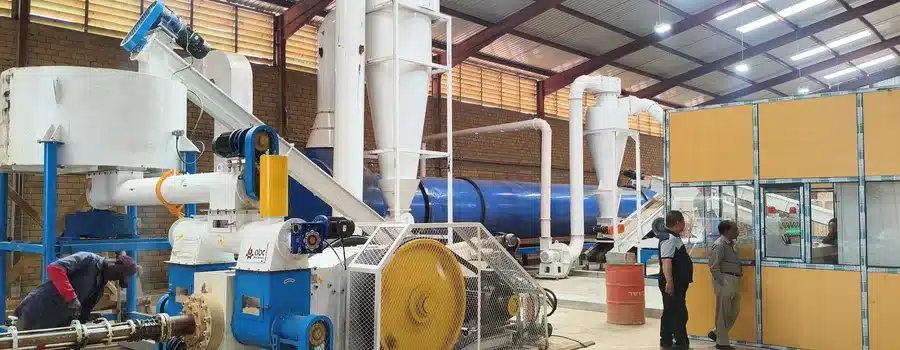
Large-Scale RDF Pellet Mill for Industrial Production
Optimizing RDF Pellet Mills for Maximum Efficiency
Optimizing RDF pellet mills is a critical step in enhancing the overall efficiency of the pelletizing process. By addressing factors such as energy consumption, throughput consistency, and maintenance schedules, manufacturers can achieve significant operational improvements.
A key optimization strategy is the adoption of advanced energy-saving technologies. For example, implementing energy-efficient motors and variable frequency drives (VFDs) can reduce electricity consumption by up to 20%, resulting in cost savings over time. Additionally, improving the design of the pellet mill to ensure consistent output can enhance the quality of pellets and reduce waste, which leads to better overall production efficiency.
Another important factor is the maintenance of RDF equipment. Regular maintenance, such as cleaning and lubrication, ensures that the pellet mill runs smoothly and reduces the risk of unexpected breakdowns. According to industry studies, mills that follow a strict maintenance schedule can see up to a 30% increase in operational lifespan.
To achieve optimal performance, manufacturers should also consider adopting automated monitoring systems. These systems track performance metrics such as temperature, pressure, and motor speed, helping to identify potential issues before they escalate. This proactive approach can minimize downtime and reduce repair costs.
- Energy Efficiency: Optimize motor performance with VFDs to reduce energy consumption by up to 20%.
- Consistency in Output: Ensure even feedstock distribution for uniform pellet quality.
- Maintenance Best Practices: Schedule regular maintenance to increase mill lifespan by 30%.
Optimize your RDF pellet mill operations or buy high-efficiency equipment – Contact our team of experts for a consultation.

Key Design Considerations for Industrial RDF Pellet Mills
When designing an RDF pellet mill for large-scale production, several factors must be taken into account to ensure maximum performance and reliability. The choice of materials, mill configuration, and the addition of customization features are all critical elements to consider.

Industrial RDF Pellet Production Plant
One of the primary considerations is selecting the right pellet mill design for specific production needs. Mills designed for high-capacity operations should include robust components such as wear-resistant rollers and high-strength die plates to withstand the stress of continuous use. Additionally, the ability to customize features such as the size of the pellet and the addition of a cooling system can significantly improve production output.
For large-scale applications, mills equipped with automatic feeding systems and air ventilation can further enhance the production process. The introduction of automated systems reduces labor costs and increases throughput by ensuring a consistent feed rate and airflow during operation.
- Material Selection: Use high-strength materials for long-term durability in heavy-duty operations.
- Customization: Design mills that can be adapted to specific production requirements for improved efficiency.
- Automation: Implement automated systems for feeding and airflow to reduce labor and increase throughput.
Partner with us to select the perfect RDF pellet mill design for your factory’s needs.

RDF Pellet Manufacturing Line EquipmentRDF Pellet
Cost-Effectiveness and ROI of Large-Scale RDF Pellet Mills
Large-scale RDF pellet mills are a significant investment for any manufacturing facility. However, when considering the return on investment (ROI), the long-term cost savings and enhanced productivity can outweigh the initial setup costs.
The cost-benefit analysis of RDF pellet mills typically includes factors such as energy efficiency, maintenance costs, and production capacity. For instance, a high-capacity RDF pellet mill that reduces energy consumption by 15% can save a facility hundreds of thousands of dollars annually. Additionally, efficient design can lead to higher output rates and fewer product defects, further boosting ROI.
Investors often evaluate the ROI through a combination of direct cost savings and enhanced productivity. A study on large-scale pellet mills showed that facilities experienced an average ROI of 20-25% within the first three years of operation.
- Energy Savings: Reduced energy consumption can save up to $500,000 annually.
- Increased Output: Enhanced mill design increases throughput by up to 30%.
- ROI: Average ROI of 20-25% in the first three years.
Get an accurate cost-benefit analysis for your next RDF pellet mill investment – Reach out to our financial experts today.
Future Trends in RDF Pelletizing Technology
The future of RDF pelletizing technology looks promising, with ongoing advancements focused on improving both efficiency and sustainability. Emerging technologies such as smart pellet mills that integrate AI-driven optimization are expected to revolutionize the industry. These mills use sensors and machine learning algorithms to adjust parameters in real-time, optimizing energy use and increasing pellet quality.
Another key trend is the growing emphasis on sustainability in RDF pelletizing. Companies are developing systems that minimize waste and lower carbon emissions during the pelletization process. New innovations in renewable energy sources, such as biogas-powered mills, are also becoming more prevalent in large-scale RDF pellet production.
- AI Integration: AI-driven pellet mills will optimize energy and improve pellet consistency.
- Sustainability: Renewable energy and waste reduction methods are gaining traction.
- Automation: Continued improvements in automation will reduce manual labor and improve efficiency.