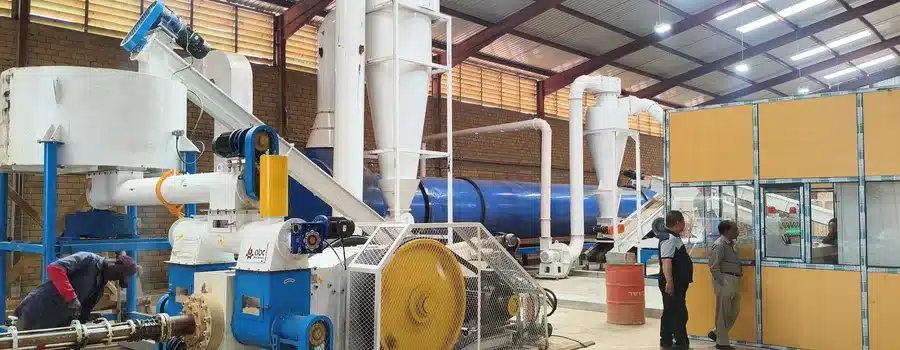
Modern RDF Pellet Factory Layout Design
Modern RDF Pellet Factory Design Principles
The design of a modern RDF pellet factory is essential to ensuring optimal production efficiency. Key factors such as factory layout, equipment selection, and the design of production lines all play crucial roles. A well-optimized RDF pellet factory will maximize throughput, minimize downtime, and reduce energy consumption, directly impacting operational costs and output quality.
Factory Layout Optimization
A well-structured factory layout ensures smooth production flow, minimizing bottlenecks and maximizing operational efficiency. Proper placement of equipment, raw material storage, and finished product areas are essential for reducing handling times and improving workflow. For example, designing a layout that keeps raw materials and finished pellets in proximity reduces transportation costs, allowing for faster production cycles.
Equipment Selection and Configuration
The selection of RDF pelletizing equipment is one of the most critical decisions in factory design. Choosing the right machinery depends on factors such as production volume, the type of RDF used, and energy consumption. High-quality equipment that delivers consistent output and minimizes energy use is essential for long-term success.
Production Line Design
The production line should be designed to ensure that each step, from raw material processing to pelletization, is streamlined. Factors such as material handling, dust control, and the integration of automated systems can improve both efficiency and safety. An optimized production line reduces maintenance requirements and downtime, resulting in higher productivity.

How to Choose the Right RDF Equipment
Selecting the right RDF equipment for a pellet factory requires careful consideration of several factors. Here, we compare the key features and specifications that will help guide the decision-making process.

Modern RDF Pellet Processing Plant
Equipment Performance Comparison
When choosing RDF pelletizing equipment, it is important to consider factors such as pellet quality, throughput capacity, and energy consumption. For example, some pelletizers are designed to handle higher moisture content, which can be important for certain RDF types. Performance data from manufacturers, such as throughput rates in tons per hour, can help in determining the equipment’s efficiency.
Equipment Selection Criteria
Key considerations for equipment selection include:
- Output Capacity: Machines must meet the desired throughput, ensuring the factory meets production goals.
- Energy Efficiency: Choose equipment that reduces energy consumption per ton of RDF processed, as this will significantly affect operating costs.
- Maintenance Requirements: Look for equipment that is easy to maintain and has a long operational lifespan.
Recommended RDF Equipment Suppliers
Working with experienced RDF equipment suppliers is essential for ensuring the best equipment for your specific needs. Suppliers with a proven track record in RDF pelletizing can provide the technical support and expertise needed for smooth operations.
Get in touch with our team of experts to receive tailored recommendations on RDF pelletizing equipment for your factory.
Energy & Cost Management in RDF Pellet Factories
In RDF pellet production, energy costs can account for 30–50% of total operating expenses. If energy consumption is not properly controlled, even high production output cannot guarantee profitability.
The key is simple:
Lower energy per ton while increasing stable output.
Smart Energy-Saving Solutions for RDF Pellet Plants
- 🔥 Heat Recovery Systems
Drying is the most energy-intensive stage in RDF pellet production. By integrating heat recovery technology into the drying system, waste heat can be reused to pre-dry raw materials, significantly reducing fuel or electricity consumption.
A well-designed drying system can reduce total plant energy usage by 10–20%.
- 🌬 Optimized Airflow & Ventilation
Cooling and airflow management are often overlooked. Optimized duct design and intelligent airflow control reduce fan load and unnecessary power waste, especially in large-scale factories.
- ⚙ Variable-Speed Drive (VSD) Technology
Installing variable-speed drives on pellet mills allows machines to operate only at the required speed based on material load.
In practical industrial applications, VSD systems can reduce pelletizing energy consumption by up to 30%, while also extending motor lifespan.
Cost Optimization Strategies for Long-Term Profitability
Lowering costs is not about cutting corners — it’s about improving system efficiency.
✔ Material Efficiency
- Proper shredding and screening improve pellet formation
- Stable moisture control reduces reprocessing
- Optimized die design improves pellet density
Less waste = more sellable output per ton of input material.
✔ Process Optimization
- Integrated production line layout reduces material transfer losses
- Intelligent control systems reduce operator error
- Balanced capacity design prevents bottlenecks
✔ Total Cost of Ownership (TCO) Management
Smart investors evaluate:
- Energy cost per ton
- Spare parts lifespan
- Maintenance frequency
- Downtime losses
A high-quality RDF pellet system may require a higher initial investment, but it delivers significantly lower operating cost over 5–10 years.
Strategies to Improve RDF Pellet Factory Production Efficiency

RDF Pellet Manufacturing Plant Machinery
Automation & Smart Manufacturing
Modern RDF factories rely on automation to remain competitive.
Our solutions can integrate:
- Real-time production monitoring systems
- Automated material feeding systems
- Intelligent load adjustment
- Centralized control panels
Manufacturing Execution Systems (MES) enable managers to monitor output, power consumption, and machine status in real time — allowing immediate adjustments for optimal performance.
Automation can:
- Reduce labor costs
- Increase throughput stability
- Minimize human error
- Improve production consistency
Predictive Maintenance = Less Downtime
Unplanned shutdowns can cost thousands of dollars per hour.
We recommend:
- Performance-based predictive maintenance
- Sensor-based temperature and vibration monitoring
- On-site critical spare parts planning
Proactive maintenance reduces unexpected breakdowns and increases equipment lifespan by 15–25%.