RDF Pellet Fuel Equipment Strategies
Designing Efficient RDF Pelletizing Equipment and Auxiliary Systems
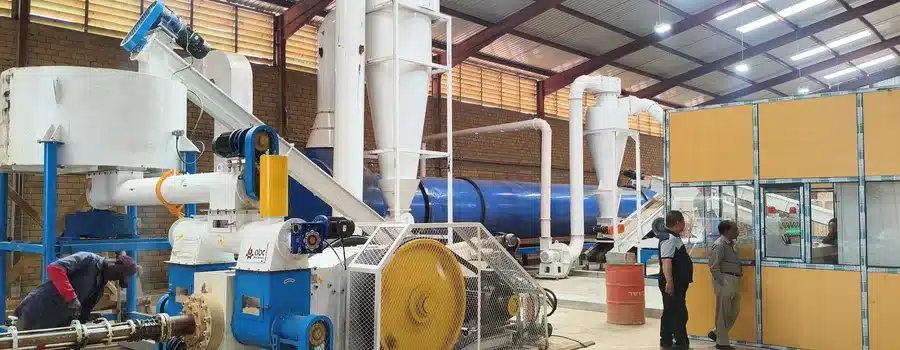
Designing an efficient RDF pelletizing line begins with selecting the right RDF pellet fuel equipment. The choice of equipment depends on multiple factors, such as the type of RDF, desired output capacity, and energy efficiency. The main equipment for RDF pelletizing includes pellet mills, conveyors, and dryers, all of which must be integrated into a seamless production line.
When selecting RDF pelletizing equipment, it’s important to choose machines that offer high throughput and consistent performance. For example, some pellet mills are designed to handle RDF with moisture content ranging from 15-30%, making them ideal for most RDF materials. Additionally, dryers with energy-efficient features, such as heat recovery systems, can drastically reduce operational costs.
Integrating auxiliary systems, such as dust collectors, cooling systems, and storage solutions, is another critical step. These systems help maintain a stable production environment by preventing downtime caused by system imbalances. Furthermore, cooling systems designed for RDF pellets can ensure the final product is stable and ready for storage or transportation.
- Pellet Mill Selection: Choose a pellet mill with adjustable capacity, ideally ranging from 1 to 5 tons per hour.
- Dust Collection System: Implement high-efficiency particulate air (HEPA) filters for optimal air quality and equipment longevity.
- Energy-efficient Drying: Opt for rotary drum dryers that use up to 30% less energy than conventional dryers.

Strategies for Enhancing RDF Pelletizing Line Stability
RDF pelletizing production lines must be stable to ensure continuous operation and high-quality fuel production. Achieving this stability involves regular equipment monitoring, maintenance, and fault prevention strategies.

Commercial RDF Pellet Production System
Reliability analysis is an essential part of this strategy. It involves assessing each piece of equipment in the production line to determine its likelihood of failure and taking preemptive actions. For instance, vibration monitoring systems can be installed on pellet mills to detect early signs of mechanical issues, allowing for timely intervention.
Maintenance schedules should be optimized to include both predictive and preventive actions. Predictive maintenance can identify potential issues before they become serious problems, while preventive maintenance ensures that all components are regularly serviced to avoid unscheduled downtime.
For better operational stability, production parameters like pressure and temperature must be constantly adjusted based on real-time data from sensors placed throughout the production line.
- Vibration Monitoring: Vibration sensors installed on key equipment can detect imbalances or failures before they occur.
- Maintenance Frequency: Aim to service pelletizing equipment every 1,000 operating hours to ensure peak performance.
Optimizing Processes and Improving Energy Efficiency
Energy efficiency is crucial when optimizing RDF pelletizing lines, as energy consumption is one of the largest operational costs. By integrating energy-saving technologies and streamlining production processes, energy use can be reduced while maintaining output quality.
One approach is to optimize the drying process, which consumes a large portion of energy in RDF pellet production. Implementing advanced drying technologies like fluidized bed dryers can reduce energy consumption by up to 20% compared to traditional drying methods. These systems use hot air to fluidize the RDF particles, ensuring even drying with less energy input.
Another strategy for energy optimization is waste heat recovery. Installing heat exchangers in the production line allows excess heat from exhaust gases or hot water to be reused, further reducing energy demand. These systems are especially effective in larger-scale RDF pelletizing plants where consistent temperature control is necessary.
- Fluidized Bed Dryers: Reduce energy consumption by 20% while improving drying efficiency.
- Heat Recovery Systems: Recover up to 30% of waste heat, optimizing overall energy use.

Cost-Effective Commercial RDF Pellet Production Facility
Equipment Selection & Smart Procurement for RDF Pellet Production Lines
Selecting the right RDF pellet fuel equipment is the foundation of a profitable and stable production line. The wrong equipment choice can lead to excessive energy consumption, unstable pellet quality, and frequent downtime — directly affecting your return on investment.
A professional procurement strategy must evaluate three core dimensions:
- Raw material compatibility
-
Production capacity matching
-
Long-term operating cost
Match Equipment to Your Raw Material Characteristics
RDF materials vary significantly in:
- Moisture content
-
Particle size
-
Calorific value
-
Composition (MSW, industrial waste, biomass blends)
Not all pellet mills are designed to handle high-variability RDF feedstock. Our RDF pellet machines are engineered with reinforced dies, optimized compression ratios, and heavy-duty drive systems to ensure stable pellet formation under fluctuating material conditions.
Choosing equipment specifically designed for RDF — rather than adapting biomass machines — dramatically improves reliability and pellet density.
Capacity Planning: Scale with Confidence
Proper capacity planning ensures optimal capital deployment and future scalability.
We analyze your feedstock availability, market demand, and expansion plans before recommending equipment configuration. This prevents overinvestment while ensuring your plant is ready for future growth.
Focus on Total Cost of Ownership: Not Just Purchase Price
Low-cost machines often result in:
- Higher energy consumption
-
Frequent wear part replacement
-
Increased maintenance downtime
-
Shorter service life
A strategic procurement decision evaluates:
- Energy efficiency per ton
-
Die and roller lifespan
-
Maintenance intervals
-
Automation level
-
Long-term spare parts cost
Our high-efficiency RDF pellet systems are designed to reduce maintenance frequency, lower power consumption, and extend equipment lifespan — maximizing profitability over 5–10 years of operation.
Whether you are building a new RDF pellet plant or upgrading an existing facility, our engineering-driven equipment solutions help reduce operational risk and secure long-term returns.
Connect with us today to receive a tailored RDF pellet equipment selection and procurement plan — and build a production line designed for performance, durability, and profitability.